Introduction
In today's fast-paced digital landscape, businesses are constantly seeking ways to enhance communication efficiency and reduce costs. One significant change that many companies are making is migrating from traditional telephony systems to Voice over Internet Protocol (VoIP) phones. But how does one navigate this transition seamlessly? This guide aims to help you understand the ins and outs of migrating to VoIP phones, ensuring a smooth transition that enhances your business communications.
What is VoIP and Why Should You Care?
Understanding VoIP Technology
Voice over Internet Protocol (VoIP) technology allows voice communication via the internet rather than traditional phone lines. By converting voice signals into digital data packets, VoIP offers numerous advantages over traditional telephony.
Benefits of Switching to VoIP Phones
Cost-Effectiveness: Businesses can save significantly on their monthly phone bills. Flexibility: Easily scale your phone system as your business grows. Advanced Features: Enjoy features like voicemail-to-email, video conferencing, and call forwarding without paying extra. Mobility: Make calls from anywhere using an internet connection.How to Migrate from Traditional Telephony to VoIP Phones Seamlessly
Migrating from traditional telephony to VoIP might seem daunting, but with the right approach, it can be a breeze. VoIP phone best choices Oregon
Step 1: Assess Your Current Needs
Before diving into the migration process, it's essential to evaluate your current communication needs. Ask yourself:
- What are our current usage patterns? How many lines do we require? Do we need advanced features?
By answering these questions, you'll have a clear picture of what you need from your new VoIP system.
Step 2: Choose the Right VoIP Provider
Not all VoIP services are created equal! Research various providers and consider factors such as:
- Pricing Customer support Features offered Scalability
Make sure you choose a provider that aligns with your business goals and needs.
Step 3: Prepare Your Network for Migration
A seamless transition requires a robust network infrastructure. Here’s what you should focus on:
Internet Speed: Ensure you have sufficient bandwidth for voice traffic. Quality of Service (QoS): Implement QoS settings on your router to prioritize voice traffic. Hardware Requirements: Verify if any new hardware is needed.Step 4: Conduct a Pilot Test
Before fully committing, conduct a pilot test with select users within your organization. This will help identify potential issues in real-time and refine your setup before the full-scale rollout.
Understanding Different Types of VoIP Solutions
Hosted vs On-Premises Solutions
When considering how to migrate from traditional telephony to VoIP phones seamlessly, it's crucial to understand the difference between hosted and on-premises solutions:
- Hosted Solutions: The service provider hosts the equipment and manages everything remotely. On-Premises Solutions: Requires purchasing hardware and managing it internally within your organization.
Each has its pros and cons; choose based on your business size and technical expertise.
Choosing Between SIP Trunking or Hosted PBX
Another critical decision involves choosing between SIP trunking or a Hosted PBX solution:
| Feature | SIP Trunking | Hosted PBX | |--------------------|------------------------------------------|-----------------------------------------| | Cost | Often lower for larger businesses | Typically subscription-based | | Management | Requires IT infrastructure | Managed by service provider | | Scalability | Highly scalable | Scalable based on plan |
Essential Features of VoIP Phones
When migrating, consider which features will enhance productivity within your organization.
Unified Communications Integration
VoIP integrates well with other communication tools such as email and instant messaging platforms—this is essential for creating a cohesive communication experience.
Mobility Options for Remote Workers
With more people working remotely than ever, having mobile options available through apps that connect via smartphones or laptops is vital.
Planning Your Migration Strategy
Creating a Comprehensive Migration Plan
A detailed migration plan can make all the difference between success and chaos during this transition. Here’s what should be included in your plan:
Timeline for migration Identifying key stakeholders Communication strategy for staffTraining Employees on New Systems
Don’t overlook training! A short training session can help employees adapt quickly to their new VoIP systems—consider hands-on workshops or webinars led by experts.
Troubleshooting Common Issues During Migration
Even with careful planning, issues may arise during or after migration. Here are some common problems along with solutions:
Poor call quality: Check bandwidth settings. Connectivity issues: Ensure routers are configured correctly. User confusion: Provide clear guides on using new features.Post-Migration Best Practices for Using VoIP Phones Effectively
Once you've successfully migrated, here’s how you can ensure ongoing success with your new system:
Regular Maintenance Checks
Just like any technology, regular maintenance checks can prevent future problems—schedule routine assessments of both hardware and software components.
Monitoring System Performance Continuously
Utilize analytics tools provided by your VoIP service provider to monitor call quality metrics regularly—this helps in identifying trends or issues early on.
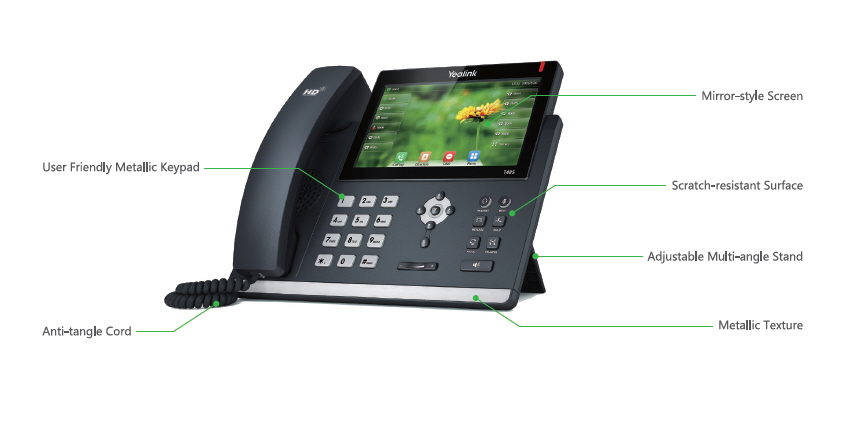
FAQs About Migrating to VoIP Phones
1. What is the primary advantage of switching from traditional telephony?
The primary advantage lies in cost savings while gaining access to advanced features that boost productivity.
2. Will I need new hardware when switching?
This depends on whether you're opting for hosted solutions or SIP trunking; however, many find they need minimal changes when transitioning effectively.
3. Can I keep my existing phone numbers?
Yes! Most providers allow you to port existing numbers without hassle during migration.
4. Is training necessary when switching?
Absolutely! Training minimizes confusion among employees about using new systems effectively.
5. What should I do if I experience poor call quality post-migration?
Check bandwidth availability first; poor call quality often stems from insufficient internet speed or configuration errors in routers.
6. How do I measure ROI after migrating?
Track metrics like overall communication costs reduction versus productivity gains over time; this provides insight into whether moving was beneficial!
Conclusion
Migrating from traditional telephony to VoIP phones seamlessly doesn't have to be an overwhelming task—by following this comprehensive guide step-by-step, you'll set yourself up for success! Embrace flexibility while enjoying enhanced communication capabilities tailored specifically for modern businesses today!
With careful planning, employee training, and ongoing monitoring post-migration—your organization will not only save money but also enjoy improved collaboration among teams across various locations!
So go ahead—make that leap into the world of Voice over Internet Protocol; it just might revolutionize how you communicate forever!